- published: 13 Mar 2020
- views: 749610

Create your page here
-
remove the playlistHistory Ethiopia
- remove the playlistHistory Ethiopia
Please tell us which country and city you'd like to see the weather in.

Ethiopia
Coordinates: 8°N 38°E / 8°N 38°E / 8; 38
Ethiopia (/ˌiːθiˈoʊpiə/; Amharic: ኢትዮጵያ?, ʾĪtyōṗṗyā,  listen ), officially known as the Federal Democratic Republic of Ethiopia (የኢትዮጵያ ፌዴራላዊ ዲሞክራሲያዊ ሪፐብሊክ, ye-Ītyōṗṗyā Fēdēralāwī Dīmōkrāsīyāwī Rīpeblīk listen ), is a sovereign state located in the Horn of Africa. It is bordered by Eritrea to the north and northeast, Djibouti and Somalia to the east, Sudan and South Sudan to the west, and Kenya to the south. With over 100 million inhabitants, Ethiopia is the most populous landlocked country in the world, as well as the second-most populous nation on the African continent after Nigeria. It occupies a total area of 1,100,000 square kilometres (420,000 sq mi), and its capital and largest city is Addis Ababa.
Some of the oldest evidence for anatomically modern humans has been found in Ethiopia, which is widely considered the region from which Homo sapiens first set out for the Middle East and points beyond. According to linguists, the first Afroasiatic-speaking populations settled in the Horn region during the ensuing Neolithic era. Tracing its roots to the 2nd millennium BC, Ethiopia was a monarchy for most of its history. During the first centuries AD the Kingdom of Aksum maintained a unified civilization in the region. followed by Abyssinia circa 1137.
This page contains text from Wikipedia, the Free Encyclopedia - https://wn.com/Ethiopia
Ethiopia (disambiguation)
Ethiopia is a country in the Horn of Africa. Ethiopia may also refer to:
- Aethiopian Sea, ancient name given to the southern part of the Atlantic Ocean
This page contains text from Wikipedia, the Free Encyclopedia - https://wn.com/Ethiopia_(disambiguation)

I'm with You (album)
I'm With You is the tenth studio album by the American rock band Red Hot Chili Peppers. The album was released by Warner Bros. Records on August 29, 2011. The album made its debut at number one in eighteen different countries including the United Kingdom while reaching number two in the United States and Canada.
Produced by Rick Rubin, it is the band's first studio album to feature guitarist Josh Klinghoffer, following the departure of John Frusciante in 2009, and is their first since 2006's Stadium Arcadium, marking the longest gap, to date, between Red Hot Chili Peppers' studio albums. The album received mostly favorable reviews with many praising newcomer Josh Klinghoffer for breathing new life into the veteran group. The album has produced four singles including the number one hit, "The Adventures of Rain Dance Maggie", "Monarchy of Roses", "Look Around" and "Brendan's Death Song". "Did I Let You Know" was released exclusively in Brazil thanks to response from a poll voted on by the fans although it was not considered a proper single. A Rolling Stone Reader's Poll named I'm with You the 8th best album of 2011 and the album was also nominated for the Grammy Award for Best Rock Album.
This page contains text from Wikipedia, the Free Encyclopedia - https://wn.com/I'm_with_You_(album)
Podcasts:
-

History Summarized: Ethiopia
Ethiopian History gets started early and just keeps on going. From the dawn of humanity itself through the medieval period and into the modern day, the history of the kingdom at the end of the Blue Nile is full of surprises. SOURCES & Further Reading: Harold Marcus "A History of Ethiopia" and John Jackson's "Ethiopia and the Origins of Civilization", see also Kenneth Vickery's lecture "Ethiopia: Outpost of Christianity" and William Cook's lecture "The Rock-Hewn Churches of Ethiopia" via The Great Courses. This video was edited by Sophia Ricciardi AKA "Indigo". https://www.sophiakricci.com/ Our content is intended for teenage audiences and up. PATREON: https://www.Patreon.com/OSP MERCH LINKS: https://www.redbubble.com/people/OSPYouTube OUR WEBSITE: https://www.OverlySarcasticProduction...
published: 13 Mar 2020 -
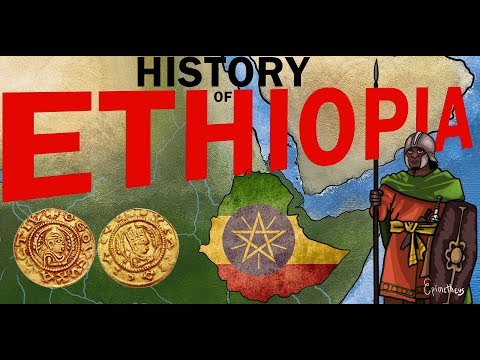
3,000 years Ethiopia's history explained in less than 10 minutes
3000 years Ethiopia's history explained in less than 10 minutes Epimetheus on Patreon https://www.patreon.com/Epimetheus1776 Paypal Donate epimetheus1776@gmail.com Tags: Ethiopia, history of Ethiopia, history of Axum, history of Aksum, Ethiopian history, Solomonic dynasty, Haile Selassie, D’mt, kingdom of D’mt, documentary, Ethiopia documentary, history documentary 2018, Abyssinia, Abyssinian Italian, Ethiopian kings, African kings, African history, African empires, African history documentary, all ethiopian kingdoms, Zagwe dynasty, Zemene Mesafint, age of princes, Ethiopian history summarized, african kings, kings africa
published: 19 Apr 2018 -

Kings of Solomon: Not Prester John - Ethiopian Empire - Part 1 - Extra History
---- To learn more about Brilliant, go to https://brilliant.org/ExtraCredits/ and sign up for free. The first 200 people that go to that link will get 20% off the annual Premium subscription! ---- The Ethiopian Christians lived in an ancient Christian Kingdom. One with a church as old as Rome, that held exotic beasts and great treasures like the Ark of the Covenant. A land ruled by a man, a myth, the legendary Priest-King Prester John! ... or so we thought. ---Tigray War Links --- https://theconversation.com/ethiopias-war-in-tigray-risks-wiping-out-centuries-of-the-worlds-history-179829 https://www.hrw.org/news/2022/04/06/crimes-against-humanity-and-ethnic-cleansing-ethiopias-western-tigray-zone https://www.hrw.org/news/2022/06/16/ethiopias-invisible-ethnic-cleansing https://news.un.o...
published: 25 Jun 2022 -

Ancient Abyssinia and the History of the Ethiopian Empire
The Horn of Africa is a region with a unique identity and vibrant history. Close to the Arabian Peninsula, it always stood out from the rest of the African continent. Today, the Horn of Africa is home to the modern nations of Ethiopia, Djibouti, Eritrea, and Somalia, comprising some 115 million people. Throughout centuries of rich history, Ethiopia has managed to persevere and preserve its identity, despite many pressures. Once known as the Ethiopian Empire, or Abyssinia, which existed from 1270 to 1974, it is one of the longest surviving empires in history and is defined by its distinctive character and a past filled with defining moments. Today we’ll be stepping back in time, as we recount the ancient and modern ages of the venerable Ethiopian Empire. Ancient Origins of the Ethiopian Em...
published: 03 May 2021 -

How did Ethiopia survive the Scramble for Africa? (Short Animated Documentary)
Twitter: https://twitter.com/Tenminhistory Patreon: https://www.patreon.com/user?u=4973164 Merch: https://teespring.com/stores/history-matters-store-2 Special Thanks to the following Patrons for their support on Patreon: Kevin Sanders Richard Wolfe Chris Fatta Daniel Lambert Tom Loghrin Joshua anon Andrew Niedbala Cornel Matthew Mitchell Wildoer Bernardo Santos LavaLampLover3000 Norman A. Letterman William Foster Blaine Tillack Richard Hartzell Will Davis-Coleman Danny Anstess Perry Gagne Joooooshhhhh Henry Rabung FuzzytheFair Armani_banani Jeffrey Schneider Paul Byzans_Scotorius Haydn Noble Spencer Smith Gideon Rashkes Shaun Pullin Richard Manklow Roberto Chance Cansler Andrew Keeling William Olson João Santos In this episode we'll find out about how Ethiopia/Abyssinia survived the Scr...
published: 15 Jun 2019 -

A Super Quick History of Ethiopia
Sources: “A History of Ethiopia” by Saheed A. Adejumobi (2007) Greenwood Press, Westport, CT. https://www.britannica.com/place/Ethiopia Pictures Requiring Attribution: Lemazelalem3: https://commons.wikimedia.org/wiki/File:Beautiful_green_farm_land_in_Eastern_Ethiopia.jpg Rod Waddington: https://commons.wikimedia.org/wiki/File:Suri_Homeland,_Ethiopia_(10572393694).jpg A.Savin: https://en.wikipedia.org/wiki/File:ET_Tigray_asv2018-01_img32_Yeha.jpg Sailko: https://commons.wikimedia.org/wiki/File:Aksum,_iscrizione_di_re_ezana,_in_greco,_sabeo_e_ge%27ez,_330-350_dc_ca._08_ezana.jpg Didier Descouens: https://commons.wikimedia.org/wiki/File:Cath%C3%A9drale_Saint-%C3%89tienne_de_Toulouse_-_Salomon_tenant_le_plan_de_J%C3%A9rusalem_par_Despax_PM31000747.jpg Abiy Ahmed: https://en....
published: 11 Jun 2020 -

The Secret History of Ethiopian Jews
The story of the Beta Israel’s return to the Land of Israel is one of broken promises, secret agreements, and the tenacity of an ancient community in the face of unimaginable danger. While the origin story of Ethiopian Jews remains unclear, their courage, faith, and love for the Jewish homeland, along with the daring of the Mossad and the activism of North American Jews, resulted in the return of thousands of Jews to Israel. Chapters: 00:00 Intro 00:48 Origin stories of the Ethiopian Jews 01:34 Ethiopian Jewish beliefs and rituals 01:49 Christian persecution of Beta Israel 03:09 Ethiopian Jewish delegation walks to Israel 04:27 Joseph Halevy visits Ethiopia 06:06 Ben Gurion and diplomacy with Ethiopia 06:17 Ethiopian Jews begin escaping to Israel 07:36 Sephardic Chief Rabbi Ovadia Yosef's...
published: 20 Sep 2023 -

Haile Selassie - God Emperor of Ethiopia Documentary
For early access to our videos, discounted merch and many other exclusive perks please support us as a Patron or Member... Patreon: http://www.patreon.com/thepeopleprofiles Buy me a Coffee: https://www.buymeacoffee.com/peopleprofiles YouTube Membership: https://www.youtube.com/channel/UCD6TPU-PvTMvqgzC_AM7_uA/join or follow us on Twitter! https://twitter.com/tpprofiles Hello guys! If you like our work please subscribe to our second channel The History Chronicles https://www.youtube.com/c/TheHistoryChronicles The script for this video has been checked with Plagiarism software and scored 1% on Grammarly. In academia, a score of below 15% is considered good or acceptable. All footage, images and music used in People Profiles Documentaries are sourced from free media websites or are purch...
published: 05 Feb 2023 -

Ethiopia: Exploring My Roots: 24 Hours in Addis Ababa, Ethiopia | An Ancestral Journey
🌍 Embark on a deeply personal journey with me as I explore Addis Ababa, the vibrant capital of Ethiopia, where my maternal ancestry lies. In this whirlwind 24-hour layover, I'll delve into the rich culture, history, and heritage of this enchanting city, reconnecting with my roots along the way. 🏙️ From the moment I step off the plane, I'm captivated by the bustling energy of Addis Ababa. Join me as I navigate the lively streets, lined with colorful markets, bustling cafes, and the rhythmic sounds of traditional music echoing through the air. 💃 Next, I'm treated to a mesmerizing display of traditional Ethiopian dance. Join me as I witness the graceful movements, vibrant costumes, and infectious rhythms that have been passed down through generations, celebrating the enduring spirit of the Et...
published: 04 Apr 2024 -

Ethiopia is more important than you think
Subscribe to my channel: https://www.youtube.com/@kingmono Support my research: http://patreon.com/user?u=87721924 Tiktok: https://www.tiktok.com/@kingsmonologue Instagram https://www.instagram.com/kingsmonologue/ 🌍 Exploring the Uncharted Realms of Ethiopian History 📖 "Ethiopian History Unveiled: A Journey from Abyssinia to Ancient Ethiopia" - Immerse yourself in the depths of Ethiopian history, a saga that echoes through the corridors of African civilizations. 🏞️ 🌟 This exploration is not just about Ethiopia but a reflection of the broader African heritage. This video is a tribute to their enduring heritage and the rich tapestry of African mythology. 🌅 📚 Discover the intricate Greek-Ethiopian connections that have shaped narratives across continents. From the legendary beauty of ...
published: 21 Nov 2023
developed with YouTube
10:51
History Summarized: Ethiopia
- Order: Reorder
- Duration: 10:51
- Uploaded Date: 13 Mar 2020
- views: 749610
Ethiopian History gets started early and just keeps on going. From the dawn of humanity itself through the medieval period and into the modern day, the history ...
Ethiopian History gets started early and just keeps on going. From the dawn of humanity itself through the medieval period and into the modern day, the history of the kingdom at the end of the Blue Nile is full of surprises.
SOURCES & Further Reading: Harold Marcus "A History of Ethiopia" and John Jackson's "Ethiopia and the Origins of Civilization", see also Kenneth Vickery's lecture "Ethiopia: Outpost of Christianity" and William Cook's lecture "The Rock-Hewn Churches of Ethiopia" via The Great Courses.
This video was edited by Sophia Ricciardi AKA "Indigo". https://www.sophiakricci.com/
Our content is intended for teenage audiences and up.
PATREON: https://www.Patreon.com/OSP
MERCH LINKS: https://www.redbubble.com/people/OSPYouTube
OUR WEBSITE: https://www.OverlySarcasticProductions.com/
Find us on Twitter https://www.Twitter.com/OSPYouTube
Find us on Reddit https://www.Reddit.com/r/OSP/
https://wn.com/History_Summarized_Ethiopia
Ethiopian History gets started early and just keeps on going. From the dawn of humanity itself through the medieval period and into the modern day, the history of the kingdom at the end of the Blue Nile is full of surprises.
SOURCES & Further Reading: Harold Marcus "A History of Ethiopia" and John Jackson's "Ethiopia and the Origins of Civilization", see also Kenneth Vickery's lecture "Ethiopia: Outpost of Christianity" and William Cook's lecture "The Rock-Hewn Churches of Ethiopia" via The Great Courses.
This video was edited by Sophia Ricciardi AKA "Indigo". https://www.sophiakricci.com/
Our content is intended for teenage audiences and up.
PATREON: https://www.Patreon.com/OSP
MERCH LINKS: https://www.redbubble.com/people/OSPYouTube
OUR WEBSITE: https://www.OverlySarcasticProductions.com/
Find us on Twitter https://www.Twitter.com/OSPYouTube
Find us on Reddit https://www.Reddit.com/r/OSP/
9:15
3,000 years Ethiopia's history explained in less than 10 minutes
- Order: Reorder
- Duration: 9:15
- Uploaded Date: 19 Apr 2018
- views: 2258919
3000 years Ethiopia's history explained in less than 10 minutes
Epimetheus on Patreon
https://www.patreon.com/Epimetheus1776
Paypal Donate
epimetheus1776@gmail....
3000 years Ethiopia's history explained in less than 10 minutes
Epimetheus on Patreon
https://www.patreon.com/Epimetheus1776
Paypal Donate
epimetheus1776@gmail.com
Tags:
Ethiopia, history of Ethiopia, history of Axum, history of Aksum, Ethiopian history, Solomonic dynasty, Haile Selassie, D’mt, kingdom of D’mt, documentary, Ethiopia documentary, history documentary 2018, Abyssinia, Abyssinian Italian, Ethiopian kings, African kings, African history, African empires, African history documentary, all ethiopian kingdoms, Zagwe dynasty, Zemene Mesafint, age of princes, Ethiopian history summarized, african kings, kings africa
https://wn.com/3,000_Years_Ethiopia's_History_Explained_In_Less_Than_10_Minutes
3000 years Ethiopia's history explained in less than 10 minutes
Epimetheus on Patreon
https://www.patreon.com/Epimetheus1776
Paypal Donate
epimetheus1776@gmail.com
Tags:
Ethiopia, history of Ethiopia, history of Axum, history of Aksum, Ethiopian history, Solomonic dynasty, Haile Selassie, D’mt, kingdom of D’mt, documentary, Ethiopia documentary, history documentary 2018, Abyssinia, Abyssinian Italian, Ethiopian kings, African kings, African history, African empires, African history documentary, all ethiopian kingdoms, Zagwe dynasty, Zemene Mesafint, age of princes, Ethiopian history summarized, african kings, kings africa
- published: 19 Apr 2018
- views: 2258919
10:49
Kings of Solomon: Not Prester John - Ethiopian Empire - Part 1 - Extra History
- Order: Reorder
- Duration: 10:49
- Uploaded Date: 25 Jun 2022
- views: 488502
---- To learn more about Brilliant, go to https://brilliant.org/ExtraCredits/ and sign up for free. The first 200 people that go to that link will get 20% off t...
---- To learn more about Brilliant, go to https://brilliant.org/ExtraCredits/ and sign up for free. The first 200 people that go to that link will get 20% off the annual Premium subscription! ----
The Ethiopian Christians lived in an ancient Christian Kingdom. One with a church as old as Rome, that held exotic beasts and great treasures like the Ark of the Covenant. A land ruled by a man, a myth, the legendary Priest-King Prester John! ... or so we thought.
---Tigray War Links ---
https://theconversation.com/ethiopias-war-in-tigray-risks-wiping-out-centuries-of-the-worlds-history-179829
https://www.hrw.org/news/2022/04/06/crimes-against-humanity-and-ethnic-cleansing-ethiopias-western-tigray-zone
https://www.hrw.org/news/2022/06/16/ethiopias-invisible-ethnic-cleansing
https://news.un.org/en/story/2021/11/1104742
---- Miss an episode in our Ethiopian Empire Series? ----
Part 1 - Heirs of Solomon: https://youtu.be/ZtbLrCrm56Y
Part 2 - New Jerusalem: https://youtu.be/9lQJxcYL6Hk
Part 3 - Church and State: https://youtu.be/GdS10vtF2Q8
Part 4 - Time of Judges: https://youtu.be/oAsURqXz5EM
Part 5 - The Barefoot Emporer: https://youtu.be/ZJerzcod8yw
Part 6 - The Battle of Adwa: https://youtu.be/HI5A_2DKm_0
Series Wrap-up / Lies Episode - Release Date: 8/20/2022
Music From the Show - "First Financial Bulb!" - Release Date: 8/20/2022
---- Thanks for participating in this week's discussion! ----
Check out our community guidelines so we can have MORE high-quality conversations: https://www.extracredits.site/extra-credits-community-code-of-con
---- Want to support the people who make this show? ----
Become a Patreon Member & Vote on future Extra History episodes! http://bit.ly/EHPatreon
Or show off your fandom with our merch! http://extracredits.store/
---- Want more Extra Credits? Subscribe and follow us on social media! ----
Twitter: http://bit.ly/ECTweet
Facebook: http://bit.ly/ECFBPage
Instagram: http://bit.ly/ECisonInstagram
Twitch: http://bit.ly/ECtwitch
Tiktok: https://www.tiktok.com/@extracreditz
Website: http://extracredits.site/
---- Interested in sponsoring an episode? Email us: extracredits@standard.tv ----
♪ Music by Demetori: http://bit.ly/1EQA5N7
♪ Outro Music: "Abyssinia!" by Tiffany Roman
Download the Music on Patreon!
#ExtraHistory #EthiopianEmpire #History
https://wn.com/Kings_Of_Solomon_Not_Prester_John_Ethiopian_Empire_Part_1_Extra_History
---- To learn more about Brilliant, go to https://brilliant.org/ExtraCredits/ and sign up for free. The first 200 people that go to that link will get 20% off the annual Premium subscription! ----
The Ethiopian Christians lived in an ancient Christian Kingdom. One with a church as old as Rome, that held exotic beasts and great treasures like the Ark of the Covenant. A land ruled by a man, a myth, the legendary Priest-King Prester John! ... or so we thought.
---Tigray War Links ---
https://theconversation.com/ethiopias-war-in-tigray-risks-wiping-out-centuries-of-the-worlds-history-179829
https://www.hrw.org/news/2022/04/06/crimes-against-humanity-and-ethnic-cleansing-ethiopias-western-tigray-zone
https://www.hrw.org/news/2022/06/16/ethiopias-invisible-ethnic-cleansing
https://news.un.org/en/story/2021/11/1104742
---- Miss an episode in our Ethiopian Empire Series? ----
Part 1 - Heirs of Solomon: https://youtu.be/ZtbLrCrm56Y
Part 2 - New Jerusalem: https://youtu.be/9lQJxcYL6Hk
Part 3 - Church and State: https://youtu.be/GdS10vtF2Q8
Part 4 - Time of Judges: https://youtu.be/oAsURqXz5EM
Part 5 - The Barefoot Emporer: https://youtu.be/ZJerzcod8yw
Part 6 - The Battle of Adwa: https://youtu.be/HI5A_2DKm_0
Series Wrap-up / Lies Episode - Release Date: 8/20/2022
Music From the Show - "First Financial Bulb!" - Release Date: 8/20/2022
---- Thanks for participating in this week's discussion! ----
Check out our community guidelines so we can have MORE high-quality conversations: https://www.extracredits.site/extra-credits-community-code-of-con
---- Want to support the people who make this show? ----
Become a Patreon Member & Vote on future Extra History episodes! http://bit.ly/EHPatreon
Or show off your fandom with our merch! http://extracredits.store/
---- Want more Extra Credits? Subscribe and follow us on social media! ----
Twitter: http://bit.ly/ECTweet
Facebook: http://bit.ly/ECFBPage
Instagram: http://bit.ly/ECisonInstagram
Twitch: http://bit.ly/ECtwitch
Tiktok: https://www.tiktok.com/@extracreditz
Website: http://extracredits.site/
---- Interested in sponsoring an episode? Email us: extracredits@standard.tv ----
♪ Music by Demetori: http://bit.ly/1EQA5N7
♪ Outro Music: "Abyssinia!" by Tiffany Roman
Download the Music on Patreon!
#ExtraHistory #EthiopianEmpire #History
- published: 25 Jun 2022
- views: 488502
20:21
Ancient Abyssinia and the History of the Ethiopian Empire
- Order: Reorder
- Duration: 20:21
- Uploaded Date: 03 May 2021
- views: 102123
The Horn of Africa is a region with a unique identity and vibrant history. Close to the Arabian Peninsula, it always stood out from the rest of the African cont...
The Horn of Africa is a region with a unique identity and vibrant history. Close to the Arabian Peninsula, it always stood out from the rest of the African continent. Today, the Horn of Africa is home to the modern nations of Ethiopia, Djibouti, Eritrea, and Somalia, comprising some 115 million people. Throughout centuries of rich history, Ethiopia has managed to persevere and preserve its identity, despite many pressures. Once known as the Ethiopian Empire, or Abyssinia, which existed from 1270 to 1974, it is one of the longest surviving empires in history and is defined by its distinctive character and a past filled with defining moments. Today we’ll be stepping back in time, as we recount the ancient and modern ages of the venerable Ethiopian Empire.
Ancient Origins of the Ethiopian Empire: The Rise of Aksum
The earliest origins of the Ethiopian Empire reach back before 1270. The story begins with the Kingdom of Aksum , also known as the Aksumite Empire , an ancient kingdom of great import in the classical world. Aksum was located in today’s northern Ethiopia, and flourished from about 80 BC to 825 AD. Taking its name from its key city, the capital called Axum, its strategic location played a crucial role in the trading routes of the ancient world, particularly between ancient India and the Roman Empire. In time, Axum grew in power and importance, and eclipsed the neighboring and older Kingdom of Kush.
The importance of Axum was well portrayed by the famous Persian prophet Mani, who said:
“There are four great Kingdoms on Earth: the first is the Kingdom of Babylon and Persia; the second is the Kingdom of Rome; the third is the Kingdom of the Aksumites; the fourth is the Kingdom of the Chinese .”
To the Greeks and the Romans, the Kingdom of Aksum was well known, as it was to the Arabs and the Persians as well. Aksum ascended to great heights thanks almost exclusively to trade. Commerce was the key factor that helped Axum evolve to become the capital of an empire. This can safely be ascribed to its proximity to the Red Sea and its trade routes, since all it had to do was successfully facilitate the growing need of the Greeks and the Romans for African goods. A major export of Axum was elephant ivory, which was a highly sought after commodity in the Mediterranean, Levant, and Persia.
Aksumite traders established far-reaching caravans that would travel into the African interior in order to procure more ivory. As Axum was located at key crossroads for trade traffic, it only sped up its prosperity. In time, Axum became the hotbed for a rising civilization with a unique character fed by a proper amalgam of indigenous African cultures infused with South Arabian character, as well as plenty of influences from the classical world of the Mediterranean.
Original article titled "Abyssinia and the Ethiopian Empire: The Ancient History of a Struggling Nation."
Link: https://www.ancient-origins.net/ancient-places-africa/ethiopian-empire-0014282?fbclid=IwAR3nBiddAAPT1Yq-YLJZJlPDXQKx5nemjwZrXlBoBG_i8US1uZfW8BKrb08
Ancient Origins Website: https://www.ancient-origins.net/
Become an Ancient Origins PREMIUM MEMBER:
https://members.ancient-origins.net/referral/2f6e132a
THE ABOVE LINK IS OUR AFFILIATE LINK WHICH MEANS WE WILL EARN A SMALL COMMISION FROM YOUR MEMBERSHIP AT NO ADDITIONAL COST TO YOU.
Twitter: https://twitter.com/ancientorigins
Facebook Page: https://www.facebook.com/ancientoriginsweb
Facebook Group: https://www.facebook.com/groups/ancientorigins
https://wn.com/Ancient_Abyssinia_And_The_History_Of_The_Ethiopian_Empire
The Horn of Africa is a region with a unique identity and vibrant history. Close to the Arabian Peninsula, it always stood out from the rest of the African continent. Today, the Horn of Africa is home to the modern nations of Ethiopia, Djibouti, Eritrea, and Somalia, comprising some 115 million people. Throughout centuries of rich history, Ethiopia has managed to persevere and preserve its identity, despite many pressures. Once known as the Ethiopian Empire, or Abyssinia, which existed from 1270 to 1974, it is one of the longest surviving empires in history and is defined by its distinctive character and a past filled with defining moments. Today we’ll be stepping back in time, as we recount the ancient and modern ages of the venerable Ethiopian Empire.
Ancient Origins of the Ethiopian Empire: The Rise of Aksum
The earliest origins of the Ethiopian Empire reach back before 1270. The story begins with the Kingdom of Aksum , also known as the Aksumite Empire , an ancient kingdom of great import in the classical world. Aksum was located in today’s northern Ethiopia, and flourished from about 80 BC to 825 AD. Taking its name from its key city, the capital called Axum, its strategic location played a crucial role in the trading routes of the ancient world, particularly between ancient India and the Roman Empire. In time, Axum grew in power and importance, and eclipsed the neighboring and older Kingdom of Kush.
The importance of Axum was well portrayed by the famous Persian prophet Mani, who said:
“There are four great Kingdoms on Earth: the first is the Kingdom of Babylon and Persia; the second is the Kingdom of Rome; the third is the Kingdom of the Aksumites; the fourth is the Kingdom of the Chinese .”
To the Greeks and the Romans, the Kingdom of Aksum was well known, as it was to the Arabs and the Persians as well. Aksum ascended to great heights thanks almost exclusively to trade. Commerce was the key factor that helped Axum evolve to become the capital of an empire. This can safely be ascribed to its proximity to the Red Sea and its trade routes, since all it had to do was successfully facilitate the growing need of the Greeks and the Romans for African goods. A major export of Axum was elephant ivory, which was a highly sought after commodity in the Mediterranean, Levant, and Persia.
Aksumite traders established far-reaching caravans that would travel into the African interior in order to procure more ivory. As Axum was located at key crossroads for trade traffic, it only sped up its prosperity. In time, Axum became the hotbed for a rising civilization with a unique character fed by a proper amalgam of indigenous African cultures infused with South Arabian character, as well as plenty of influences from the classical world of the Mediterranean.
Original article titled "Abyssinia and the Ethiopian Empire: The Ancient History of a Struggling Nation."
Link: https://www.ancient-origins.net/ancient-places-africa/ethiopian-empire-0014282?fbclid=IwAR3nBiddAAPT1Yq-YLJZJlPDXQKx5nemjwZrXlBoBG_i8US1uZfW8BKrb08
Ancient Origins Website: https://www.ancient-origins.net/
Become an Ancient Origins PREMIUM MEMBER:
https://members.ancient-origins.net/referral/2f6e132a
THE ABOVE LINK IS OUR AFFILIATE LINK WHICH MEANS WE WILL EARN A SMALL COMMISION FROM YOUR MEMBERSHIP AT NO ADDITIONAL COST TO YOU.
Twitter: https://twitter.com/ancientorigins
Facebook Page: https://www.facebook.com/ancientoriginsweb
Facebook Group: https://www.facebook.com/groups/ancientorigins
- published: 03 May 2021
- views: 102123
3:30
How did Ethiopia survive the Scramble for Africa? (Short Animated Documentary)
- Order: Reorder
- Duration: 3:30
- Uploaded Date: 15 Jun 2019
- views: 1732122
Twitter: https://twitter.com/Tenminhistory
Patreon: https://www.patreon.com/user?u=4973164
Merch: https://teespring.com/stores/history-matters-store-2
Special ...
Twitter: https://twitter.com/Tenminhistory
Patreon: https://www.patreon.com/user?u=4973164
Merch: https://teespring.com/stores/history-matters-store-2
Special Thanks to the following Patrons for their support on Patreon:
Kevin Sanders
Richard Wolfe
Chris Fatta
Daniel Lambert
Tom Loghrin
Joshua
anon
Andrew Niedbala
Cornel
Matthew
Mitchell Wildoer
Bernardo Santos
LavaLampLover3000
Norman A. Letterman
William Foster
Blaine Tillack
Richard Hartzell
Will Davis-Coleman
Danny Anstess
Perry Gagne
Joooooshhhhh
Henry Rabung
FuzzytheFair
Armani_banani
Jeffrey Schneider
Paul
Byzans_Scotorius
Haydn Noble
Spencer Smith
Gideon Rashkes
Shaun Pullin
Richard Manklow
Roberto
Chance Cansler
Andrew Keeling
William Olson
João Santos
In this episode we'll find out about how Ethiopia/Abyssinia survived the Scramble for Africa.
https://wn.com/How_Did_Ethiopia_Survive_The_Scramble_For_Africa_(Short_Animated_Documentary)
Twitter: https://twitter.com/Tenminhistory
Patreon: https://www.patreon.com/user?u=4973164
Merch: https://teespring.com/stores/history-matters-store-2
Special Thanks to the following Patrons for their support on Patreon:
Kevin Sanders
Richard Wolfe
Chris Fatta
Daniel Lambert
Tom Loghrin
Joshua
anon
Andrew Niedbala
Cornel
Matthew
Mitchell Wildoer
Bernardo Santos
LavaLampLover3000
Norman A. Letterman
William Foster
Blaine Tillack
Richard Hartzell
Will Davis-Coleman
Danny Anstess
Perry Gagne
Joooooshhhhh
Henry Rabung
FuzzytheFair
Armani_banani
Jeffrey Schneider
Paul
Byzans_Scotorius
Haydn Noble
Spencer Smith
Gideon Rashkes
Shaun Pullin
Richard Manklow
Roberto
Chance Cansler
Andrew Keeling
William Olson
João Santos
In this episode we'll find out about how Ethiopia/Abyssinia survived the Scramble for Africa.
- published: 15 Jun 2019
- views: 1732122
7:53
A Super Quick History of Ethiopia
- Order: Reorder
- Duration: 7:53
- Uploaded Date: 11 Jun 2020
- views: 27240
Sources:
“A History of Ethiopia” by Saheed A. Adejumobi (2007) Greenwood Press, Westport, CT.
https://www.britannica.com/place/Ethiopia
Pictures Requirin...
Sources:
“A History of Ethiopia” by Saheed A. Adejumobi (2007) Greenwood Press, Westport, CT.
https://www.britannica.com/place/Ethiopia
Pictures Requiring Attribution:
Lemazelalem3: https://commons.wikimedia.org/wiki/File:Beautiful_green_farm_land_in_Eastern_Ethiopia.jpg
Rod Waddington: https://commons.wikimedia.org/wiki/File:Suri_Homeland,_Ethiopia_(10572393694).jpg
A.Savin: https://en.wikipedia.org/wiki/File:ET_Tigray_asv2018-01_img32_Yeha.jpg
Sailko: https://commons.wikimedia.org/wiki/File:Aksum,_iscrizione_di_re_ezana,_in_greco,_sabeo_e_ge%27ez,_330-350_dc_ca._08_ezana.jpg
Didier Descouens: https://commons.wikimedia.org/wiki/File:Cath%C3%A9drale_Saint-%C3%89tienne_de_Toulouse_-_Salomon_tenant_le_plan_de_J%C3%A9rusalem_par_Despax_PM31000747.jpg
Abiy Ahmed: https://en.wikipedia.org/wiki/File:Dine_for_Sheger-_Palace_entrance.jpg
A. Davey: https://en.wikipedia.org/wiki/File:Ethiopian_Horses_(2427081498).jpg ; https://commons.wikimedia.org/wiki/File:The_Ruins_at_Gondar,_Ethiopia_-_Library_of_Emperor_Yohannes_I_(2414262079).jpg
A.Savin: https://commons.wikimedia.org/wiki/File:ET_Gondar_asv2018-02_img03_Fasil_Ghebbi.jpg
Argonautos: https://commons.wikimedia.org/wiki/File:Kaiser_Theodoros_II_von_Abessinien.jpg
Zheim, based on CIA map: https://en.wikipedia.org/wiki/File:Menelik_campaign_map_1_3.jpg ; https://en.wikipedia.org/wiki/File:Menelik_campaign_map_2_3.jpg ; https://en.wikipedia.org/wiki/File:Menelik_campaign_map_3_3.jpg
O.Mustafin: https://en.wikipedia.org/wiki/File:JohnIVmonument.jpg
Sculptor: Karl Haertel, died 1941, Photographer Sam Effron: https://commons.wikimedia.org/wiki/File:Menelik_II_Statue_front.jpg
Collectie Stichting Nationaal Museum van Wereldculturen: https://en.wikipedia.org/wiki/File:COLLECTIE_TROPENMUSEUM_De_slag_bij_Adua_TMnr_5956-2.jpg
Ruthven: https://en.wikipedia.org/wiki/File:Ethiopia_War_Map_(may_1936)_it.svg
Rod Waddington: https://en.wikipedia.org/wiki/File:Rasta_Mural,_Sheshemane_(11417146756).jpg
Bair175: https://commons.wikimedia.org/wiki/File:Harar,_Ethiopia_1956.JPG
Andrew Moore: https://commons.wikimedia.org/wiki/File:Statue_at_Tiglachin_Memorial.jpg
Soman: https://commons.wikimedia.org/wiki/File:ET-Red_Terror_Martyr_Memorial_Museum,_Addis_Abeba_(1).JPG
Oxfam East Africa: https://commons.wikimedia.org/wiki/File:Oxfam_East_Africa_-_Children_carry_a_jerry_can_of_water_in_Wajir.jpg
Bair175: https://en.wikipedia.org/wiki/File:Ethiopian_Prime_Minister_Abiy_Ahmed_receiving_the_Nobel_Peace_Prize_in_Oslo_2019.jpg
Odaw: https://en.wikipedia.org/wiki/File:Religious_Forum_for_Peace.jpg
Aron Simeneh: https://en.wikipedia.org/wiki/File:Abiy_Ahmed_with_Ethiopian_Muslim_Grand_Mufti.jpg ; https://en.wikipedia.org/wiki/File:PM_Abiy_Ahmed_with_Patriarch_of_the_Orthodox_Tewahido_Church.jpg
Ninara: https://commons.wikimedia.org/wiki/File:Ethiopia_IMG_4833_Addis_Abeba_(39504133982).jpg ; https://commons.wikimedia.org/wiki/File:Ethiopia_IMG_4861_Addis_Abeba_(39504168012).jpg ; https://commons.wikimedia.org/wiki/File:Ethiopia_IMG_4879_Addis_Abeba_(38637730065).jpg
Citizen59: https://commons.wikimedia.org/wiki/File:HeatCourse5000mWRio2016_005.jpg
Audio Requiring Attribution:
Akhbar El Yom TV: https://commons.wikimedia.org/wiki/File:Ululation.ogv
#Ethiopia #History
https://wn.com/A_Super_Quick_History_Of_Ethiopia
Sources:
“A History of Ethiopia” by Saheed A. Adejumobi (2007) Greenwood Press, Westport, CT.
https://www.britannica.com/place/Ethiopia
Pictures Requiring Attribution:
Lemazelalem3: https://commons.wikimedia.org/wiki/File:Beautiful_green_farm_land_in_Eastern_Ethiopia.jpg
Rod Waddington: https://commons.wikimedia.org/wiki/File:Suri_Homeland,_Ethiopia_(10572393694).jpg
A.Savin: https://en.wikipedia.org/wiki/File:ET_Tigray_asv2018-01_img32_Yeha.jpg
Sailko: https://commons.wikimedia.org/wiki/File:Aksum,_iscrizione_di_re_ezana,_in_greco,_sabeo_e_ge%27ez,_330-350_dc_ca._08_ezana.jpg
Didier Descouens: https://commons.wikimedia.org/wiki/File:Cath%C3%A9drale_Saint-%C3%89tienne_de_Toulouse_-_Salomon_tenant_le_plan_de_J%C3%A9rusalem_par_Despax_PM31000747.jpg
Abiy Ahmed: https://en.wikipedia.org/wiki/File:Dine_for_Sheger-_Palace_entrance.jpg
A. Davey: https://en.wikipedia.org/wiki/File:Ethiopian_Horses_(2427081498).jpg ; https://commons.wikimedia.org/wiki/File:The_Ruins_at_Gondar,_Ethiopia_-_Library_of_Emperor_Yohannes_I_(2414262079).jpg
A.Savin: https://commons.wikimedia.org/wiki/File:ET_Gondar_asv2018-02_img03_Fasil_Ghebbi.jpg
Argonautos: https://commons.wikimedia.org/wiki/File:Kaiser_Theodoros_II_von_Abessinien.jpg
Zheim, based on CIA map: https://en.wikipedia.org/wiki/File:Menelik_campaign_map_1_3.jpg ; https://en.wikipedia.org/wiki/File:Menelik_campaign_map_2_3.jpg ; https://en.wikipedia.org/wiki/File:Menelik_campaign_map_3_3.jpg
O.Mustafin: https://en.wikipedia.org/wiki/File:JohnIVmonument.jpg
Sculptor: Karl Haertel, died 1941, Photographer Sam Effron: https://commons.wikimedia.org/wiki/File:Menelik_II_Statue_front.jpg
Collectie Stichting Nationaal Museum van Wereldculturen: https://en.wikipedia.org/wiki/File:COLLECTIE_TROPENMUSEUM_De_slag_bij_Adua_TMnr_5956-2.jpg
Ruthven: https://en.wikipedia.org/wiki/File:Ethiopia_War_Map_(may_1936)_it.svg
Rod Waddington: https://en.wikipedia.org/wiki/File:Rasta_Mural,_Sheshemane_(11417146756).jpg
Bair175: https://commons.wikimedia.org/wiki/File:Harar,_Ethiopia_1956.JPG
Andrew Moore: https://commons.wikimedia.org/wiki/File:Statue_at_Tiglachin_Memorial.jpg
Soman: https://commons.wikimedia.org/wiki/File:ET-Red_Terror_Martyr_Memorial_Museum,_Addis_Abeba_(1).JPG
Oxfam East Africa: https://commons.wikimedia.org/wiki/File:Oxfam_East_Africa_-_Children_carry_a_jerry_can_of_water_in_Wajir.jpg
Bair175: https://en.wikipedia.org/wiki/File:Ethiopian_Prime_Minister_Abiy_Ahmed_receiving_the_Nobel_Peace_Prize_in_Oslo_2019.jpg
Odaw: https://en.wikipedia.org/wiki/File:Religious_Forum_for_Peace.jpg
Aron Simeneh: https://en.wikipedia.org/wiki/File:Abiy_Ahmed_with_Ethiopian_Muslim_Grand_Mufti.jpg ; https://en.wikipedia.org/wiki/File:PM_Abiy_Ahmed_with_Patriarch_of_the_Orthodox_Tewahido_Church.jpg
Ninara: https://commons.wikimedia.org/wiki/File:Ethiopia_IMG_4833_Addis_Abeba_(39504133982).jpg ; https://commons.wikimedia.org/wiki/File:Ethiopia_IMG_4861_Addis_Abeba_(39504168012).jpg ; https://commons.wikimedia.org/wiki/File:Ethiopia_IMG_4879_Addis_Abeba_(38637730065).jpg
Citizen59: https://commons.wikimedia.org/wiki/File:HeatCourse5000mWRio2016_005.jpg
Audio Requiring Attribution:
Akhbar El Yom TV: https://commons.wikimedia.org/wiki/File:Ululation.ogv
#Ethiopia #History
- published: 11 Jun 2020
- views: 27240
13:58
The Secret History of Ethiopian Jews
- Order: Reorder
- Duration: 13:58
- Uploaded Date: 20 Sep 2023
- views: 309938
The story of the Beta Israel’s return to the Land of Israel is one of broken promises, secret agreements, and the tenacity of an ancient community in the face o...
The story of the Beta Israel’s return to the Land of Israel is one of broken promises, secret agreements, and the tenacity of an ancient community in the face of unimaginable danger. While the origin story of Ethiopian Jews remains unclear, their courage, faith, and love for the Jewish homeland, along with the daring of the Mossad and the activism of North American Jews, resulted in the return of thousands of Jews to Israel.
Chapters:
00:00 Intro
00:48 Origin stories of the Ethiopian Jews
01:34 Ethiopian Jewish beliefs and rituals
01:49 Christian persecution of Beta Israel
03:09 Ethiopian Jewish delegation walks to Israel
04:27 Joseph Halevy visits Ethiopia
06:06 Ben Gurion and diplomacy with Ethiopia
06:17 Ethiopian Jews begin escaping to Israel
07:36 Sephardic Chief Rabbi Ovadia Yosef's declaration
08:04 Persecution of Ethiopian Jews
08:51 Activist Ferede Aklum and Mossad hatch a plan
09:46 The Beta Israel trek to Sudan
10:16 Mossad's abandoned resort operation
11:43 8,000 Ethiopian Jews arrive in Israel by air
12:12 Ethiopian Israelis successfully pressure government
12:42 Beta Israel's contribution to the story
13:36 Reflections on Israeli society
Subscribe and turn on your notifications so you don’t miss future uploads!
https://www.youtube.com/UNPACKED?sub_confirmation=1
Recommended video— The Mossad: Inside the Missions of Israel's Elite Spy Agency
https://www.youtube.com/watch?v=YZ0wT3h3m3E&list=PL-DNOnmKkUaZ_Qi1N4Bu5f1DI0nvOxLyW&index=4
We have merch! – http://shop.jewishunpacked.com/?utm_medium=youtube&utm_source=video-description&utm_campaign=merch
Let’s connect:
Website — https://www.jewishunpacked.com
Instagram — https://www.instagram.com/jewishunpacked
Twitter — https://twitter.com/jewishunpacked
TikTok — https://www.tiktok.com/@jewishunpacked
Facebook — https://www.facebook.com/jewishunpacked
-----------
Image and footage credits:
Kan Archive
AAEJ Archives Online
The Faitlovitch Collection, Sourasky Central Library, Tel Aviv University, Israel
David Rumsey Map Collection, David Rumsey Map Center, Stanford Libraries
Tianjin24
A Davey
-----------
Executive Producer:
— Barry Skolnick
Co-Executive Producer:
— Shmuel Katz
-----------
About Explainers: From ancient Jewish traditions to the modern State of Israel, we explain it all. Diving into anything and everything related to Jewish culture, history, and even religion.
Understand Jewish holidays, Israeli politics, Jewish diasporic communities, and more. Learn about Judaism in pop culture, debunking myths about Jews, and explore obscure Israeli landmarks. We’re asking questions as basic as “What is the Talmud?”, and as obscure as “How did hip-hop boost Kosher wine sales?”, and everything in between.
About Unpacked: We provide nuanced insights by unpacking all things Jewish. People are complex and complicated — yet we’re constantly being pushed to oversimplify our world. At Unpacked we know that being complex makes us more interesting. Because of this, we break the world down with nuance and insight to drive your curiosity and challenge your thinking.
#culture #history #ethiopia
https://wn.com/The_Secret_History_Of_Ethiopian_Jews
The story of the Beta Israel’s return to the Land of Israel is one of broken promises, secret agreements, and the tenacity of an ancient community in the face of unimaginable danger. While the origin story of Ethiopian Jews remains unclear, their courage, faith, and love for the Jewish homeland, along with the daring of the Mossad and the activism of North American Jews, resulted in the return of thousands of Jews to Israel.
Chapters:
00:00 Intro
00:48 Origin stories of the Ethiopian Jews
01:34 Ethiopian Jewish beliefs and rituals
01:49 Christian persecution of Beta Israel
03:09 Ethiopian Jewish delegation walks to Israel
04:27 Joseph Halevy visits Ethiopia
06:06 Ben Gurion and diplomacy with Ethiopia
06:17 Ethiopian Jews begin escaping to Israel
07:36 Sephardic Chief Rabbi Ovadia Yosef's declaration
08:04 Persecution of Ethiopian Jews
08:51 Activist Ferede Aklum and Mossad hatch a plan
09:46 The Beta Israel trek to Sudan
10:16 Mossad's abandoned resort operation
11:43 8,000 Ethiopian Jews arrive in Israel by air
12:12 Ethiopian Israelis successfully pressure government
12:42 Beta Israel's contribution to the story
13:36 Reflections on Israeli society
Subscribe and turn on your notifications so you don’t miss future uploads!
https://www.youtube.com/UNPACKED?sub_confirmation=1
Recommended video— The Mossad: Inside the Missions of Israel's Elite Spy Agency
https://www.youtube.com/watch?v=YZ0wT3h3m3E&list=PL-DNOnmKkUaZ_Qi1N4Bu5f1DI0nvOxLyW&index=4
We have merch! – http://shop.jewishunpacked.com/?utm_medium=youtube&utm_source=video-description&utm_campaign=merch
Let’s connect:
Website — https://www.jewishunpacked.com
Instagram — https://www.instagram.com/jewishunpacked
Twitter — https://twitter.com/jewishunpacked
TikTok — https://www.tiktok.com/@jewishunpacked
Facebook — https://www.facebook.com/jewishunpacked
-----------
Image and footage credits:
Kan Archive
AAEJ Archives Online
The Faitlovitch Collection, Sourasky Central Library, Tel Aviv University, Israel
David Rumsey Map Collection, David Rumsey Map Center, Stanford Libraries
Tianjin24
A Davey
-----------
Executive Producer:
— Barry Skolnick
Co-Executive Producer:
— Shmuel Katz
-----------
About Explainers: From ancient Jewish traditions to the modern State of Israel, we explain it all. Diving into anything and everything related to Jewish culture, history, and even religion.
Understand Jewish holidays, Israeli politics, Jewish diasporic communities, and more. Learn about Judaism in pop culture, debunking myths about Jews, and explore obscure Israeli landmarks. We’re asking questions as basic as “What is the Talmud?”, and as obscure as “How did hip-hop boost Kosher wine sales?”, and everything in between.
About Unpacked: We provide nuanced insights by unpacking all things Jewish. People are complex and complicated — yet we’re constantly being pushed to oversimplify our world. At Unpacked we know that being complex makes us more interesting. Because of this, we break the world down with nuance and insight to drive your curiosity and challenge your thinking.
#culture #history #ethiopia
- published: 20 Sep 2023
- views: 309938
1:02:00
Haile Selassie - God Emperor of Ethiopia Documentary
- Order: Reorder
- Duration: 1:02:00
- Uploaded Date: 05 Feb 2023
- views: 2582674
For early access to our videos, discounted merch and many other exclusive perks please support us as a Patron or Member...
Patreon: http://www.patreon.com/thepe...
For early access to our videos, discounted merch and many other exclusive perks please support us as a Patron or Member...
Patreon: http://www.patreon.com/thepeopleprofiles
Buy me a Coffee: https://www.buymeacoffee.com/peopleprofiles
YouTube Membership: https://www.youtube.com/channel/UCD6TPU-PvTMvqgzC_AM7_uA/join
or follow us on Twitter! https://twitter.com/tpprofiles
Hello guys! If you like our work please subscribe to our second channel The History Chronicles https://www.youtube.com/c/TheHistoryChronicles
The script for this video has been checked with Plagiarism software and scored 1% on Grammarly. In academia, a score of below 15% is considered good or acceptable.
All footage, images and music used in People Profiles Documentaries are sourced from free media websites or are purchased with commercial rights from online media archives.
#Biography #History #Documentary
https://wn.com/Haile_Selassie_God_Emperor_Of_Ethiopia_Documentary
For early access to our videos, discounted merch and many other exclusive perks please support us as a Patron or Member...
Patreon: http://www.patreon.com/thepeopleprofiles
Buy me a Coffee: https://www.buymeacoffee.com/peopleprofiles
YouTube Membership: https://www.youtube.com/channel/UCD6TPU-PvTMvqgzC_AM7_uA/join
or follow us on Twitter! https://twitter.com/tpprofiles
Hello guys! If you like our work please subscribe to our second channel The History Chronicles https://www.youtube.com/c/TheHistoryChronicles
The script for this video has been checked with Plagiarism software and scored 1% on Grammarly. In academia, a score of below 15% is considered good or acceptable.
All footage, images and music used in People Profiles Documentaries are sourced from free media websites or are purchased with commercial rights from online media archives.
#Biography #History #Documentary
- published: 05 Feb 2023
- views: 2582674
22:13
Ethiopia: Exploring My Roots: 24 Hours in Addis Ababa, Ethiopia | An Ancestral Journey
- Order: Reorder
- Duration: 22:13
- Uploaded Date: 04 Apr 2024
- views: 423
🌍 Embark on a deeply personal journey with me as I explore Addis Ababa, the vibrant capital of Ethiopia, where my maternal ancestry lies. In this whirlwind 24-h...
🌍 Embark on a deeply personal journey with me as I explore Addis Ababa, the vibrant capital of Ethiopia, where my maternal ancestry lies. In this whirlwind 24-hour layover, I'll delve into the rich culture, history, and heritage of this enchanting city, reconnecting with my roots along the way.
🏙️ From the moment I step off the plane, I'm captivated by the bustling energy of Addis Ababa. Join me as I navigate the lively streets, lined with colorful markets, bustling cafes, and the rhythmic sounds of traditional music echoing through the air.
💃 Next, I'm treated to a mesmerizing display of traditional Ethiopian dance. Join me as I witness the graceful movements, vibrant costumes, and infectious rhythms that have been passed down through generations, celebrating the enduring spirit of the Ethiopian people.
🍛 No visit to Addis Ababa would be complete without sampling its renowned cuisine. Join me as I indulge in authentic Ethiopian dishes, from injera and spicy stews to freshly brewed coffee served in traditional ceremonies, savoring every flavorful bite.
🌆 As the sun sets over the city, I find myself at Mount Entoto, overlooking panoramic views of Addis Ababa below. Here, amidst the tranquil surroundings, I take a moment to honor and celebrate the resilience of my ancestors, whose legacy continues to inspire me.
🌟 Join me on this heartfelt journey of discovery and connection as I explore Addis Ababa, Ethiopia, a place where my maternal ancestry is deeply rooted. Subscribe now and follow along as I uncover the stories and memories that bind me to this remarkable land.
#AddisAbaba #Ethiopia #AncestralJourney #TravelDiaries #Heritage #Culture #Roots
https://wn.com/Ethiopia_Exploring_My_Roots_24_Hours_In_Addis_Ababa,_Ethiopia_|_An_Ancestral_Journey
🌍 Embark on a deeply personal journey with me as I explore Addis Ababa, the vibrant capital of Ethiopia, where my maternal ancestry lies. In this whirlwind 24-hour layover, I'll delve into the rich culture, history, and heritage of this enchanting city, reconnecting with my roots along the way.
🏙️ From the moment I step off the plane, I'm captivated by the bustling energy of Addis Ababa. Join me as I navigate the lively streets, lined with colorful markets, bustling cafes, and the rhythmic sounds of traditional music echoing through the air.
💃 Next, I'm treated to a mesmerizing display of traditional Ethiopian dance. Join me as I witness the graceful movements, vibrant costumes, and infectious rhythms that have been passed down through generations, celebrating the enduring spirit of the Ethiopian people.
🍛 No visit to Addis Ababa would be complete without sampling its renowned cuisine. Join me as I indulge in authentic Ethiopian dishes, from injera and spicy stews to freshly brewed coffee served in traditional ceremonies, savoring every flavorful bite.
🌆 As the sun sets over the city, I find myself at Mount Entoto, overlooking panoramic views of Addis Ababa below. Here, amidst the tranquil surroundings, I take a moment to honor and celebrate the resilience of my ancestors, whose legacy continues to inspire me.
🌟 Join me on this heartfelt journey of discovery and connection as I explore Addis Ababa, Ethiopia, a place where my maternal ancestry is deeply rooted. Subscribe now and follow along as I uncover the stories and memories that bind me to this remarkable land.
#AddisAbaba #Ethiopia #AncestralJourney #TravelDiaries #Heritage #Culture #Roots
- published: 04 Apr 2024
- views: 423
5:31
Ethiopia is more important than you think
- Order: Reorder
- Duration: 5:31
- Uploaded Date: 21 Nov 2023
- views: 73298
Subscribe to my channel:
https://www.youtube.com/@kingmono
Support my research:
http://patreon.com/user?u=87721924
Tiktok:
https://www.tiktok.com/@kingsmonolo...
Subscribe to my channel:
https://www.youtube.com/@kingmono
Support my research:
http://patreon.com/user?u=87721924
Tiktok:
https://www.tiktok.com/@kingsmonologue
Instagram
https://www.instagram.com/kingsmonologue/
🌍 Exploring the Uncharted Realms of Ethiopian History 📖
"Ethiopian History Unveiled: A Journey from Abyssinia to Ancient Ethiopia" - Immerse yourself in the depths of Ethiopian history, a saga that echoes through the corridors of African civilizations. 🏞️
🌟 This exploration is not just about Ethiopia but a reflection of the broader African heritage. This video is a tribute to their enduring heritage and the rich tapestry of African mythology. 🌅
📚 Discover the intricate Greek-Ethiopian connections that have shaped narratives across continents. From the legendary beauty of Andromeda, rooted in Ethiopian and African mythology, to the valor of Memnon in the Trojan War, each tale is steeped in the rich history of Ethiopian geography and the Horn of Africa. 🏛️
🌍 Learn about Zeus Aethiops, a surprising testament to the ancient spirituality and the revered African deities, illustrating the profound influence of Ethiopian culture in classical mythology. These narratives not only reflect the cultural identity of Ethiopia but also the resilience of African civilizations against the tides of history, including their resistance to colonial forces. 🌄
🎥 As we traverse the evolving landscape of modern Ethiopia, we highlight the significance of medieval African maps and the historical concept of the Ethiopian ocean, underscoring Ethiopia's central role in African and global history. This journey is not just a chronicle of the past but a living testament to the vibrant cultural identity that continues to shape Ethiopia and the African continent. 📌
🔔 Subscribe for a captivating journey through Ethiopian history, where ancient tales and modern insights intertwine, offering a unique perspective on the enduring legacy of African civilizations and Ethiopian heritage. 🌟🌍
References
Pankhurst, Richard. “The Ethiopian Borderlands: Essays in Regional History from Ancient Times to the End of the 18th Century.” Red Sea Press, 1997.
Munro-Hay, Stuart. “Aksum: An African Civilization of Late Antiquity.” Edinburgh University Press, 1991.
Homer. “The Iliad” and “The Odyssey.”
Herodotus. “Histories.”
Pliny the Elder. “Natural History.”
Diop, Cheikh Anta. “The African Origin of Civilization: Myth or Reality.” Lawrence Hill Books, 1974.
Bernal, Martin. “Black Athena: The Afroasiatic Roots of Classical Civilization.” Rutgers University Press, 1987.
Phillipson, David W. “Ancient Ethiopia: Aksum, Its Antecedents, and Successors.” British Museum Press, 1998.
https://wn.com/Ethiopia_Is_More_Important_Than_You_Think
Subscribe to my channel:
https://www.youtube.com/@kingmono
Support my research:
http://patreon.com/user?u=87721924
Tiktok:
https://www.tiktok.com/@kingsmonologue
Instagram
https://www.instagram.com/kingsmonologue/
🌍 Exploring the Uncharted Realms of Ethiopian History 📖
"Ethiopian History Unveiled: A Journey from Abyssinia to Ancient Ethiopia" - Immerse yourself in the depths of Ethiopian history, a saga that echoes through the corridors of African civilizations. 🏞️
🌟 This exploration is not just about Ethiopia but a reflection of the broader African heritage. This video is a tribute to their enduring heritage and the rich tapestry of African mythology. 🌅
📚 Discover the intricate Greek-Ethiopian connections that have shaped narratives across continents. From the legendary beauty of Andromeda, rooted in Ethiopian and African mythology, to the valor of Memnon in the Trojan War, each tale is steeped in the rich history of Ethiopian geography and the Horn of Africa. 🏛️
🌍 Learn about Zeus Aethiops, a surprising testament to the ancient spirituality and the revered African deities, illustrating the profound influence of Ethiopian culture in classical mythology. These narratives not only reflect the cultural identity of Ethiopia but also the resilience of African civilizations against the tides of history, including their resistance to colonial forces. 🌄
🎥 As we traverse the evolving landscape of modern Ethiopia, we highlight the significance of medieval African maps and the historical concept of the Ethiopian ocean, underscoring Ethiopia's central role in African and global history. This journey is not just a chronicle of the past but a living testament to the vibrant cultural identity that continues to shape Ethiopia and the African continent. 📌
🔔 Subscribe for a captivating journey through Ethiopian history, where ancient tales and modern insights intertwine, offering a unique perspective on the enduring legacy of African civilizations and Ethiopian heritage. 🌟🌍
References
Pankhurst, Richard. “The Ethiopian Borderlands: Essays in Regional History from Ancient Times to the End of the 18th Century.” Red Sea Press, 1997.
Munro-Hay, Stuart. “Aksum: An African Civilization of Late Antiquity.” Edinburgh University Press, 1991.
Homer. “The Iliad” and “The Odyssey.”
Herodotus. “Histories.”
Pliny the Elder. “Natural History.”
Diop, Cheikh Anta. “The African Origin of Civilization: Myth or Reality.” Lawrence Hill Books, 1974.
Bernal, Martin. “Black Athena: The Afroasiatic Roots of Classical Civilization.” Rutgers University Press, 1987.
Phillipson, David W. “Ancient Ethiopia: Aksum, Its Antecedents, and Successors.” British Museum Press, 1998.
- published: 21 Nov 2023
- views: 73298

10:51
History Summarized: Ethiopia
Ethiopian History gets started early and just keeps on going. From the dawn of humanity it...
published: 13 Mar 2020
History Summarized: Ethiopia
History Summarized: Ethiopia
- Report rights infringement
- published: 13 Mar 2020
- views: 749610
Ethiopian History gets started early and just keeps on going. From the dawn of humanity itself through the medieval period and into the modern day, the history of the kingdom at the end of the Blue Nile is full of surprises.
SOURCES & Further Reading: Harold Marcus "A History of Ethiopia" and John Jackson's "Ethiopia and the Origins of Civilization", see also Kenneth Vickery's lecture "Ethiopia: Outpost of Christianity" and William Cook's lecture "The Rock-Hewn Churches of Ethiopia" via The Great Courses.
This video was edited by Sophia Ricciardi AKA "Indigo". https://www.sophiakricci.com/
Our content is intended for teenage audiences and up.
PATREON: https://www.Patreon.com/OSP
MERCH LINKS: https://www.redbubble.com/people/OSPYouTube
OUR WEBSITE: https://www.OverlySarcasticProductions.com/
Find us on Twitter https://www.Twitter.com/OSPYouTube
Find us on Reddit https://www.Reddit.com/r/OSP/
9:15
3,000 years Ethiopia's history explained in less than 10 minutes
3000 years Ethiopia's history explained in less than 10 minutes
Epimetheus on Patreon
http...
published: 19 Apr 2018
3,000 years Ethiopia's history explained in less than 10 minutes
3,000 years Ethiopia's history explained in less than 10 minutes
- Report rights infringement
- published: 19 Apr 2018
- views: 2258919
3000 years Ethiopia's history explained in less than 10 minutes
Epimetheus on Patreon
https://www.patreon.com/Epimetheus1776
Paypal Donate
epimetheus1776@gmail.com
Tags:
Ethiopia, history of Ethiopia, history of Axum, history of Aksum, Ethiopian history, Solomonic dynasty, Haile Selassie, D’mt, kingdom of D’mt, documentary, Ethiopia documentary, history documentary 2018, Abyssinia, Abyssinian Italian, Ethiopian kings, African kings, African history, African empires, African history documentary, all ethiopian kingdoms, Zagwe dynasty, Zemene Mesafint, age of princes, Ethiopian history summarized, african kings, kings africa
10:49
Kings of Solomon: Not Prester John - Ethiopian Empire - Part 1 - Extra History
---- To learn more about Brilliant, go to https://brilliant.org/ExtraCredits/ and sign up ...
published: 25 Jun 2022
Kings of Solomon: Not Prester John - Ethiopian Empire - Part 1 - Extra History
Kings of Solomon: Not Prester John - Ethiopian Empire - Part 1 - Extra History
- Report rights infringement
- published: 25 Jun 2022
- views: 488502
---- To learn more about Brilliant, go to https://brilliant.org/ExtraCredits/ and sign up for free. The first 200 people that go to that link will get 20% off the annual Premium subscription! ----
The Ethiopian Christians lived in an ancient Christian Kingdom. One with a church as old as Rome, that held exotic beasts and great treasures like the Ark of the Covenant. A land ruled by a man, a myth, the legendary Priest-King Prester John! ... or so we thought.
---Tigray War Links ---
https://theconversation.com/ethiopias-war-in-tigray-risks-wiping-out-centuries-of-the-worlds-history-179829
https://www.hrw.org/news/2022/04/06/crimes-against-humanity-and-ethnic-cleansing-ethiopias-western-tigray-zone
https://www.hrw.org/news/2022/06/16/ethiopias-invisible-ethnic-cleansing
https://news.un.org/en/story/2021/11/1104742
---- Miss an episode in our Ethiopian Empire Series? ----
Part 1 - Heirs of Solomon: https://youtu.be/ZtbLrCrm56Y
Part 2 - New Jerusalem: https://youtu.be/9lQJxcYL6Hk
Part 3 - Church and State: https://youtu.be/GdS10vtF2Q8
Part 4 - Time of Judges: https://youtu.be/oAsURqXz5EM
Part 5 - The Barefoot Emporer: https://youtu.be/ZJerzcod8yw
Part 6 - The Battle of Adwa: https://youtu.be/HI5A_2DKm_0
Series Wrap-up / Lies Episode - Release Date: 8/20/2022
Music From the Show - "First Financial Bulb!" - Release Date: 8/20/2022
---- Thanks for participating in this week's discussion! ----
Check out our community guidelines so we can have MORE high-quality conversations: https://www.extracredits.site/extra-credits-community-code-of-con
---- Want to support the people who make this show? ----
Become a Patreon Member & Vote on future Extra History episodes! http://bit.ly/EHPatreon
Or show off your fandom with our merch! http://extracredits.store/
---- Want more Extra Credits? Subscribe and follow us on social media! ----
Twitter: http://bit.ly/ECTweet
Facebook: http://bit.ly/ECFBPage
Instagram: http://bit.ly/ECisonInstagram
Twitch: http://bit.ly/ECtwitch
Tiktok: https://www.tiktok.com/@extracreditz
Website: http://extracredits.site/
---- Interested in sponsoring an episode? Email us: extracredits@standard.tv ----
♪ Music by Demetori: http://bit.ly/1EQA5N7
♪ Outro Music: "Abyssinia!" by Tiffany Roman
Download the Music on Patreon!
#ExtraHistory #EthiopianEmpire #History
20:21
Ancient Abyssinia and the History of the Ethiopian Empire
The Horn of Africa is a region with a unique identity and vibrant history. Close to the Ar...
published: 03 May 2021
Ancient Abyssinia and the History of the Ethiopian Empire
Ancient Abyssinia and the History of the Ethiopian Empire
- Report rights infringement
- published: 03 May 2021
- views: 102123
The Horn of Africa is a region with a unique identity and vibrant history. Close to the Arabian Peninsula, it always stood out from the rest of the African continent. Today, the Horn of Africa is home to the modern nations of Ethiopia, Djibouti, Eritrea, and Somalia, comprising some 115 million people. Throughout centuries of rich history, Ethiopia has managed to persevere and preserve its identity, despite many pressures. Once known as the Ethiopian Empire, or Abyssinia, which existed from 1270 to 1974, it is one of the longest surviving empires in history and is defined by its distinctive character and a past filled with defining moments. Today we’ll be stepping back in time, as we recount the ancient and modern ages of the venerable Ethiopian Empire.
Ancient Origins of the Ethiopian Empire: The Rise of Aksum
The earliest origins of the Ethiopian Empire reach back before 1270. The story begins with the Kingdom of Aksum , also known as the Aksumite Empire , an ancient kingdom of great import in the classical world. Aksum was located in today’s northern Ethiopia, and flourished from about 80 BC to 825 AD. Taking its name from its key city, the capital called Axum, its strategic location played a crucial role in the trading routes of the ancient world, particularly between ancient India and the Roman Empire. In time, Axum grew in power and importance, and eclipsed the neighboring and older Kingdom of Kush.
The importance of Axum was well portrayed by the famous Persian prophet Mani, who said:
“There are four great Kingdoms on Earth: the first is the Kingdom of Babylon and Persia; the second is the Kingdom of Rome; the third is the Kingdom of the Aksumites; the fourth is the Kingdom of the Chinese .”
To the Greeks and the Romans, the Kingdom of Aksum was well known, as it was to the Arabs and the Persians as well. Aksum ascended to great heights thanks almost exclusively to trade. Commerce was the key factor that helped Axum evolve to become the capital of an empire. This can safely be ascribed to its proximity to the Red Sea and its trade routes, since all it had to do was successfully facilitate the growing need of the Greeks and the Romans for African goods. A major export of Axum was elephant ivory, which was a highly sought after commodity in the Mediterranean, Levant, and Persia.
Aksumite traders established far-reaching caravans that would travel into the African interior in order to procure more ivory. As Axum was located at key crossroads for trade traffic, it only sped up its prosperity. In time, Axum became the hotbed for a rising civilization with a unique character fed by a proper amalgam of indigenous African cultures infused with South Arabian character, as well as plenty of influences from the classical world of the Mediterranean.
Original article titled "Abyssinia and the Ethiopian Empire: The Ancient History of a Struggling Nation."
Link: https://www.ancient-origins.net/ancient-places-africa/ethiopian-empire-0014282?fbclid=IwAR3nBiddAAPT1Yq-YLJZJlPDXQKx5nemjwZrXlBoBG_i8US1uZfW8BKrb08
Ancient Origins Website: https://www.ancient-origins.net/
Become an Ancient Origins PREMIUM MEMBER:
https://members.ancient-origins.net/referral/2f6e132a
THE ABOVE LINK IS OUR AFFILIATE LINK WHICH MEANS WE WILL EARN A SMALL COMMISION FROM YOUR MEMBERSHIP AT NO ADDITIONAL COST TO YOU.
Twitter: https://twitter.com/ancientorigins
Facebook Page: https://www.facebook.com/ancientoriginsweb
Facebook Group: https://www.facebook.com/groups/ancientorigins
3:30
How did Ethiopia survive the Scramble for Africa? (Short Animated Documentary)
Twitter: https://twitter.com/Tenminhistory
Patreon: https://www.patreon.com/user?u=4973164...
published: 15 Jun 2019
How did Ethiopia survive the Scramble for Africa? (Short Animated Documentary)
How did Ethiopia survive the Scramble for Africa? (Short Animated Documentary)
- Report rights infringement
- published: 15 Jun 2019
- views: 1732122
Twitter: https://twitter.com/Tenminhistory
Patreon: https://www.patreon.com/user?u=4973164
Merch: https://teespring.com/stores/history-matters-store-2
Special Thanks to the following Patrons for their support on Patreon:
Kevin Sanders
Richard Wolfe
Chris Fatta
Daniel Lambert
Tom Loghrin
Joshua
anon
Andrew Niedbala
Cornel
Matthew
Mitchell Wildoer
Bernardo Santos
LavaLampLover3000
Norman A. Letterman
William Foster
Blaine Tillack
Richard Hartzell
Will Davis-Coleman
Danny Anstess
Perry Gagne
Joooooshhhhh
Henry Rabung
FuzzytheFair
Armani_banani
Jeffrey Schneider
Paul
Byzans_Scotorius
Haydn Noble
Spencer Smith
Gideon Rashkes
Shaun Pullin
Richard Manklow
Roberto
Chance Cansler
Andrew Keeling
William Olson
João Santos
In this episode we'll find out about how Ethiopia/Abyssinia survived the Scramble for Africa.
7:53
A Super Quick History of Ethiopia
Sources:
“A History of Ethiopia” by Saheed A. Adejumobi (2007) Greenwood Press, Westport,...
published: 11 Jun 2020
A Super Quick History of Ethiopia
A Super Quick History of Ethiopia
- Report rights infringement
- published: 11 Jun 2020
- views: 27240
Sources:
“A History of Ethiopia” by Saheed A. Adejumobi (2007) Greenwood Press, Westport, CT.
https://www.britannica.com/place/Ethiopia
Pictures Requiring Attribution:
Lemazelalem3: https://commons.wikimedia.org/wiki/File:Beautiful_green_farm_land_in_Eastern_Ethiopia.jpg
Rod Waddington: https://commons.wikimedia.org/wiki/File:Suri_Homeland,_Ethiopia_(10572393694).jpg
A.Savin: https://en.wikipedia.org/wiki/File:ET_Tigray_asv2018-01_img32_Yeha.jpg
Sailko: https://commons.wikimedia.org/wiki/File:Aksum,_iscrizione_di_re_ezana,_in_greco,_sabeo_e_ge%27ez,_330-350_dc_ca._08_ezana.jpg
Didier Descouens: https://commons.wikimedia.org/wiki/File:Cath%C3%A9drale_Saint-%C3%89tienne_de_Toulouse_-_Salomon_tenant_le_plan_de_J%C3%A9rusalem_par_Despax_PM31000747.jpg
Abiy Ahmed: https://en.wikipedia.org/wiki/File:Dine_for_Sheger-_Palace_entrance.jpg
A. Davey: https://en.wikipedia.org/wiki/File:Ethiopian_Horses_(2427081498).jpg ; https://commons.wikimedia.org/wiki/File:The_Ruins_at_Gondar,_Ethiopia_-_Library_of_Emperor_Yohannes_I_(2414262079).jpg
A.Savin: https://commons.wikimedia.org/wiki/File:ET_Gondar_asv2018-02_img03_Fasil_Ghebbi.jpg
Argonautos: https://commons.wikimedia.org/wiki/File:Kaiser_Theodoros_II_von_Abessinien.jpg
Zheim, based on CIA map: https://en.wikipedia.org/wiki/File:Menelik_campaign_map_1_3.jpg ; https://en.wikipedia.org/wiki/File:Menelik_campaign_map_2_3.jpg ; https://en.wikipedia.org/wiki/File:Menelik_campaign_map_3_3.jpg
O.Mustafin: https://en.wikipedia.org/wiki/File:JohnIVmonument.jpg
Sculptor: Karl Haertel, died 1941, Photographer Sam Effron: https://commons.wikimedia.org/wiki/File:Menelik_II_Statue_front.jpg
Collectie Stichting Nationaal Museum van Wereldculturen: https://en.wikipedia.org/wiki/File:COLLECTIE_TROPENMUSEUM_De_slag_bij_Adua_TMnr_5956-2.jpg
Ruthven: https://en.wikipedia.org/wiki/File:Ethiopia_War_Map_(may_1936)_it.svg
Rod Waddington: https://en.wikipedia.org/wiki/File:Rasta_Mural,_Sheshemane_(11417146756).jpg
Bair175: https://commons.wikimedia.org/wiki/File:Harar,_Ethiopia_1956.JPG
Andrew Moore: https://commons.wikimedia.org/wiki/File:Statue_at_Tiglachin_Memorial.jpg
Soman: https://commons.wikimedia.org/wiki/File:ET-Red_Terror_Martyr_Memorial_Museum,_Addis_Abeba_(1).JPG
Oxfam East Africa: https://commons.wikimedia.org/wiki/File:Oxfam_East_Africa_-_Children_carry_a_jerry_can_of_water_in_Wajir.jpg
Bair175: https://en.wikipedia.org/wiki/File:Ethiopian_Prime_Minister_Abiy_Ahmed_receiving_the_Nobel_Peace_Prize_in_Oslo_2019.jpg
Odaw: https://en.wikipedia.org/wiki/File:Religious_Forum_for_Peace.jpg
Aron Simeneh: https://en.wikipedia.org/wiki/File:Abiy_Ahmed_with_Ethiopian_Muslim_Grand_Mufti.jpg ; https://en.wikipedia.org/wiki/File:PM_Abiy_Ahmed_with_Patriarch_of_the_Orthodox_Tewahido_Church.jpg
Ninara: https://commons.wikimedia.org/wiki/File:Ethiopia_IMG_4833_Addis_Abeba_(39504133982).jpg ; https://commons.wikimedia.org/wiki/File:Ethiopia_IMG_4861_Addis_Abeba_(39504168012).jpg ; https://commons.wikimedia.org/wiki/File:Ethiopia_IMG_4879_Addis_Abeba_(38637730065).jpg
Citizen59: https://commons.wikimedia.org/wiki/File:HeatCourse5000mWRio2016_005.jpg
Audio Requiring Attribution:
Akhbar El Yom TV: https://commons.wikimedia.org/wiki/File:Ululation.ogv
#Ethiopia #History
13:58
The Secret History of Ethiopian Jews
The story of the Beta Israel’s return to the Land of Israel is one of broken promises, sec...
published: 20 Sep 2023
The Secret History of Ethiopian Jews
The Secret History of Ethiopian Jews
- Report rights infringement
- published: 20 Sep 2023
- views: 309938
The story of the Beta Israel’s return to the Land of Israel is one of broken promises, secret agreements, and the tenacity of an ancient community in the face of unimaginable danger. While the origin story of Ethiopian Jews remains unclear, their courage, faith, and love for the Jewish homeland, along with the daring of the Mossad and the activism of North American Jews, resulted in the return of thousands of Jews to Israel.
Chapters:
00:00 Intro
00:48 Origin stories of the Ethiopian Jews
01:34 Ethiopian Jewish beliefs and rituals
01:49 Christian persecution of Beta Israel
03:09 Ethiopian Jewish delegation walks to Israel
04:27 Joseph Halevy visits Ethiopia
06:06 Ben Gurion and diplomacy with Ethiopia
06:17 Ethiopian Jews begin escaping to Israel
07:36 Sephardic Chief Rabbi Ovadia Yosef's declaration
08:04 Persecution of Ethiopian Jews
08:51 Activist Ferede Aklum and Mossad hatch a plan
09:46 The Beta Israel trek to Sudan
10:16 Mossad's abandoned resort operation
11:43 8,000 Ethiopian Jews arrive in Israel by air
12:12 Ethiopian Israelis successfully pressure government
12:42 Beta Israel's contribution to the story
13:36 Reflections on Israeli society
Subscribe and turn on your notifications so you don’t miss future uploads!
https://www.youtube.com/UNPACKED?sub_confirmation=1
Recommended video— The Mossad: Inside the Missions of Israel's Elite Spy Agency
https://www.youtube.com/watch?v=YZ0wT3h3m3E&list=PL-DNOnmKkUaZ_Qi1N4Bu5f1DI0nvOxLyW&index=4
We have merch! – http://shop.jewishunpacked.com/?utm_medium=youtube&utm_source=video-description&utm_campaign=merch
Let’s connect:
Website — https://www.jewishunpacked.com
Instagram — https://www.instagram.com/jewishunpacked
Twitter — https://twitter.com/jewishunpacked
TikTok — https://www.tiktok.com/@jewishunpacked
Facebook — https://www.facebook.com/jewishunpacked
-----------
Image and footage credits:
Kan Archive
AAEJ Archives Online
The Faitlovitch Collection, Sourasky Central Library, Tel Aviv University, Israel
David Rumsey Map Collection, David Rumsey Map Center, Stanford Libraries
Tianjin24
A Davey
-----------
Executive Producer:
— Barry Skolnick
Co-Executive Producer:
— Shmuel Katz
-----------
About Explainers: From ancient Jewish traditions to the modern State of Israel, we explain it all. Diving into anything and everything related to Jewish culture, history, and even religion.
Understand Jewish holidays, Israeli politics, Jewish diasporic communities, and more. Learn about Judaism in pop culture, debunking myths about Jews, and explore obscure Israeli landmarks. We’re asking questions as basic as “What is the Talmud?”, and as obscure as “How did hip-hop boost Kosher wine sales?”, and everything in between.
About Unpacked: We provide nuanced insights by unpacking all things Jewish. People are complex and complicated — yet we’re constantly being pushed to oversimplify our world. At Unpacked we know that being complex makes us more interesting. Because of this, we break the world down with nuance and insight to drive your curiosity and challenge your thinking.
#culture #history #ethiopia
1:02:00
Haile Selassie - God Emperor of Ethiopia Documentary
For early access to our videos, discounted merch and many other exclusive perks please sup...
published: 05 Feb 2023
Haile Selassie - God Emperor of Ethiopia Documentary
Haile Selassie - God Emperor of Ethiopia Documentary
- Report rights infringement
- published: 05 Feb 2023
- views: 2582674
For early access to our videos, discounted merch and many other exclusive perks please support us as a Patron or Member...
Patreon: http://www.patreon.com/thepeopleprofiles
Buy me a Coffee: https://www.buymeacoffee.com/peopleprofiles
YouTube Membership: https://www.youtube.com/channel/UCD6TPU-PvTMvqgzC_AM7_uA/join
or follow us on Twitter! https://twitter.com/tpprofiles
Hello guys! If you like our work please subscribe to our second channel The History Chronicles https://www.youtube.com/c/TheHistoryChronicles
The script for this video has been checked with Plagiarism software and scored 1% on Grammarly. In academia, a score of below 15% is considered good or acceptable.
All footage, images and music used in People Profiles Documentaries are sourced from free media websites or are purchased with commercial rights from online media archives.
#Biography #History #Documentary
22:13
Ethiopia: Exploring My Roots: 24 Hours in Addis Ababa, Ethiopia | An Ancestral Journey
🌍 Embark on a deeply personal journey with me as I explore Addis Ababa, the vibrant capita...
published: 04 Apr 2024
Ethiopia: Exploring My Roots: 24 Hours in Addis Ababa, Ethiopia | An Ancestral Journey
Ethiopia: Exploring My Roots: 24 Hours in Addis Ababa, Ethiopia | An Ancestral Journey
- Report rights infringement
- published: 04 Apr 2024
- views: 423
🌍 Embark on a deeply personal journey with me as I explore Addis Ababa, the vibrant capital of Ethiopia, where my maternal ancestry lies. In this whirlwind 24-hour layover, I'll delve into the rich culture, history, and heritage of this enchanting city, reconnecting with my roots along the way.
🏙️ From the moment I step off the plane, I'm captivated by the bustling energy of Addis Ababa. Join me as I navigate the lively streets, lined with colorful markets, bustling cafes, and the rhythmic sounds of traditional music echoing through the air.
💃 Next, I'm treated to a mesmerizing display of traditional Ethiopian dance. Join me as I witness the graceful movements, vibrant costumes, and infectious rhythms that have been passed down through generations, celebrating the enduring spirit of the Ethiopian people.
🍛 No visit to Addis Ababa would be complete without sampling its renowned cuisine. Join me as I indulge in authentic Ethiopian dishes, from injera and spicy stews to freshly brewed coffee served in traditional ceremonies, savoring every flavorful bite.
🌆 As the sun sets over the city, I find myself at Mount Entoto, overlooking panoramic views of Addis Ababa below. Here, amidst the tranquil surroundings, I take a moment to honor and celebrate the resilience of my ancestors, whose legacy continues to inspire me.
🌟 Join me on this heartfelt journey of discovery and connection as I explore Addis Ababa, Ethiopia, a place where my maternal ancestry is deeply rooted. Subscribe now and follow along as I uncover the stories and memories that bind me to this remarkable land.
#AddisAbaba #Ethiopia #AncestralJourney #TravelDiaries #Heritage #Culture #Roots
5:31
Ethiopia is more important than you think
Subscribe to my channel:
https://www.youtube.com/@kingmono
Support my research:
http://pa...
published: 21 Nov 2023
Ethiopia is more important than you think
Ethiopia is more important than you think
- Report rights infringement
- published: 21 Nov 2023
- views: 73298
Subscribe to my channel:
https://www.youtube.com/@kingmono
Support my research:
http://patreon.com/user?u=87721924
Tiktok:
https://www.tiktok.com/@kingsmonologue
Instagram
https://www.instagram.com/kingsmonologue/
🌍 Exploring the Uncharted Realms of Ethiopian History 📖
"Ethiopian History Unveiled: A Journey from Abyssinia to Ancient Ethiopia" - Immerse yourself in the depths of Ethiopian history, a saga that echoes through the corridors of African civilizations. 🏞️
🌟 This exploration is not just about Ethiopia but a reflection of the broader African heritage. This video is a tribute to their enduring heritage and the rich tapestry of African mythology. 🌅
📚 Discover the intricate Greek-Ethiopian connections that have shaped narratives across continents. From the legendary beauty of Andromeda, rooted in Ethiopian and African mythology, to the valor of Memnon in the Trojan War, each tale is steeped in the rich history of Ethiopian geography and the Horn of Africa. 🏛️
🌍 Learn about Zeus Aethiops, a surprising testament to the ancient spirituality and the revered African deities, illustrating the profound influence of Ethiopian culture in classical mythology. These narratives not only reflect the cultural identity of Ethiopia but also the resilience of African civilizations against the tides of history, including their resistance to colonial forces. 🌄
🎥 As we traverse the evolving landscape of modern Ethiopia, we highlight the significance of medieval African maps and the historical concept of the Ethiopian ocean, underscoring Ethiopia's central role in African and global history. This journey is not just a chronicle of the past but a living testament to the vibrant cultural identity that continues to shape Ethiopia and the African continent. 📌
🔔 Subscribe for a captivating journey through Ethiopian history, where ancient tales and modern insights intertwine, offering a unique perspective on the enduring legacy of African civilizations and Ethiopian heritage. 🌟🌍
References
Pankhurst, Richard. “The Ethiopian Borderlands: Essays in Regional History from Ancient Times to the End of the 18th Century.” Red Sea Press, 1997.
Munro-Hay, Stuart. “Aksum: An African Civilization of Late Antiquity.” Edinburgh University Press, 1991.
Homer. “The Iliad” and “The Odyssey.”
Herodotus. “Histories.”
Pliny the Elder. “Natural History.”
Diop, Cheikh Anta. “The African Origin of Civilization: Myth or Reality.” Lawrence Hill Books, 1974.
Bernal, Martin. “Black Athena: The Afroasiatic Roots of Classical Civilization.” Rutgers University Press, 1987.
Phillipson, David W. “Ancient Ethiopia: Aksum, Its Antecedents, and Successors.” British Museum Press, 1998.
Ethiopia
Coordinates: 8°N 38°E / 8°N 38°E / 8; 38
Ethiopia (/ˌiːθiˈoʊpiə/; Amharic: ኢትዮጵያ?, ʾĪtyōṗṗyā, listen ), officially known as the Federal Democratic Republic of Ethiopia (የኢትዮጵያ ፌዴራላዊ ዲሞክራሲያዊ ሪፐብሊክ, ye-Ītyōṗṗyā Fēdēralāwī Dīmōkrāsīyāwī Rīpeblīk listen ), is a sovereign state located in the Horn of Africa. It is bordered by Eritrea to the north and northeast, Djibouti and Somalia to the east, Sudan and South Sudan to the west, and Kenya to the south. With over 100 million inhabitants, Ethiopia is the most populous landlocked country in the world, as well as the second-most populous nation on the African continent after Nigeria. It occupies a total area of 1,100,000 square kilometres (420,000 sq mi), and its capital and largest city is Addis Ababa.
Some of the oldest evidence for anatomically modern humans has been found in Ethiopia, which is widely considered the region from which Homo sapiens first set out for the Middle East and points beyond. According to linguists, the first Afroasiatic-speaking populations settled in the Horn region during the ensuing Neolithic era. Tracing its roots to the 2nd millennium BC, Ethiopia was a monarchy for most of its history. During the first centuries AD the Kingdom of Aksum maintained a unified civilization in the region. followed by Abyssinia circa 1137.
This page contains text from Wikipedia, the Free Encyclopedia - https://wn.com/Ethiopia
History Summarized: Ethiopia...
3,000 years Ethiopia's history explained in less t...
Kings of Solomon: Not Prester John - Ethiopian Emp...
Ancient Abyssinia and the History of the Ethiopian...
How did Ethiopia survive the Scramble for Africa? ...
A Super Quick History of Ethiopia...
The Secret History of Ethiopian Jews...
Haile Selassie - God Emperor of Ethiopia Documenta...
Ethiopia: Exploring My Roots: 24 Hours in Addis Ab...